ServicesWindow Installation
Window Installation in La Mirada
Adding a room, opening up a wall or turning a small window into a bigger one? We install new windows in new or resized openings, with proper framing, flashing and finish work, so your home gets more light without leaks or drafts.
When window installation is the right call
Putting a window where there was none, or making an existing one bigger, is a different job from trading old glass for new. It covers openings that do not exist yet or are changing size: a new bedroom addition, a kitchen remodel where you want a wider view, or a converted garage that now needs light and egress. The work starts at the framing, not the glass.
That matters because the opening itself is what keeps water out. We set a header sized for the span, build a level and square rough opening, and lap the flashing so rain runs out and away from the wall. On the stucco walls common across Southern California, that also means cutting and patching the stucco cleanly so the repair blends in.
If a window opening was damaged and you are working with your insurance company, we take dated photos of the opening before and during the work and explain what we found in plain terms. We are not your adjuster, but clear records make that conversation easier.
What our window installation covers
- Measuring and planning the opening
- We confirm the size you want against the wall framing, any wiring or plumbing nearby, and egress rules for bedrooms. You know before work starts whether the opening you have in mind is practical.
- Framing and header work
- New or enlarged openings get a header sized for the width, plus king and jack studs. A properly framed opening keeps the window from binding and the wall from sagging over time.
- Flashing and water management
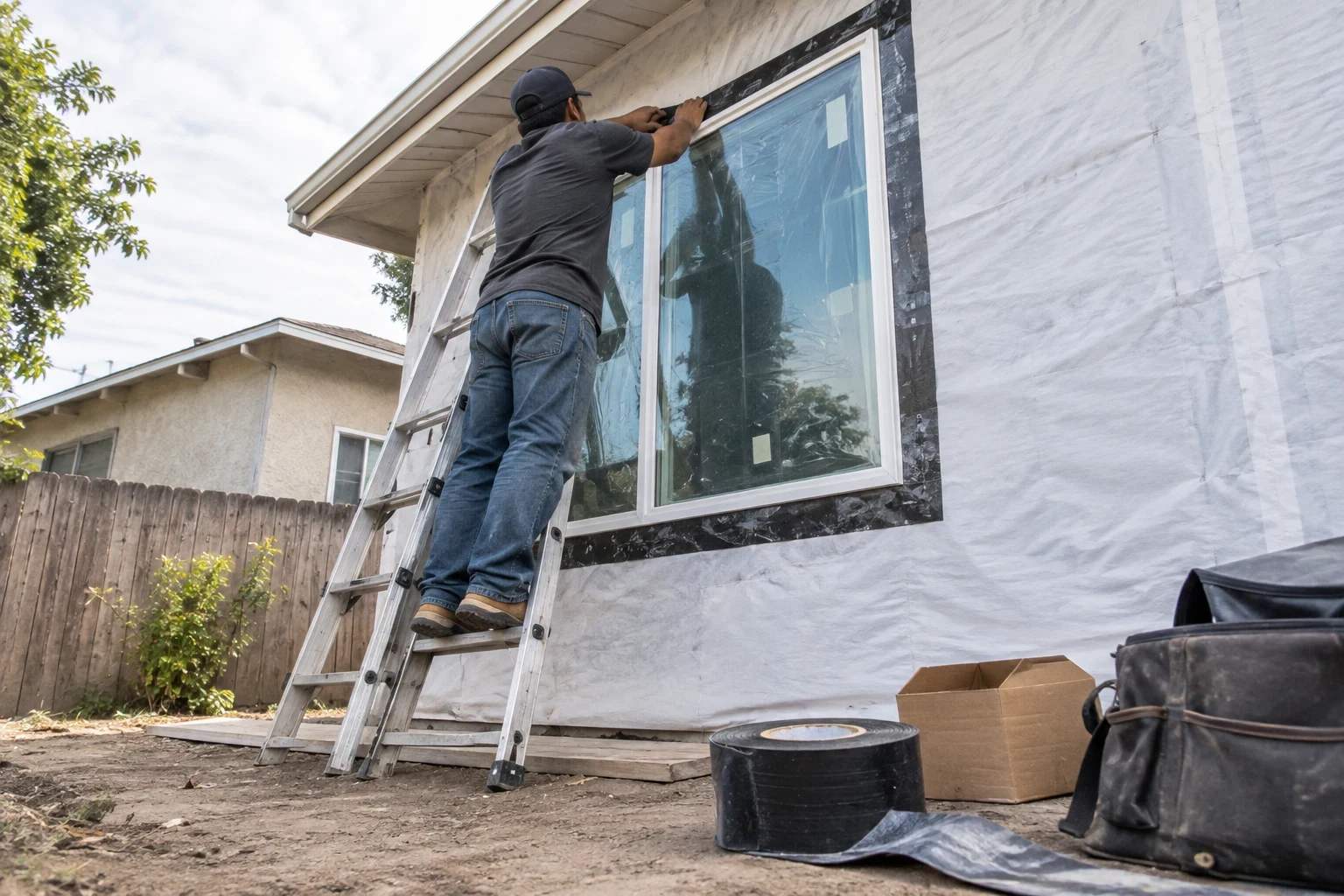
- We install sill pan protection and lap the flashing tape in the right order, bottom first and top last. This step is where most leaks start when it is rushed.
- Setting, shimming and insulating
- The window is set level, plumb and square, then shimmed and sealed with low-expansion foam so it opens easily and does not leak air around the frame.
- Exterior and interior finish
- Outside, we patch stucco or siding around the new frame. Inside, we finish the drywall returns or trim so the opening looks like it was always there.
- Cleanup and walkthrough
- We haul away cut material and old debris, then walk you through how each window opens, locks and should be cared for.
Signs a new window opening makes sense
A room that stays dark
If a hallway, kitchen or bedroom needs lights on at noon, a new or wider window can change how the space feels.
A bedroom without proper egress
Code asks every sleeping room to have an opening big enough for someone to get out through if there is a fire. Garage conversions and older rooms often come up short.
An addition or remodel in progress
New walls need windows that are framed and flashed correctly the first time. Bringing us in early keeps the framing and window sizes matched.
A damaged opening, not just a damaged window
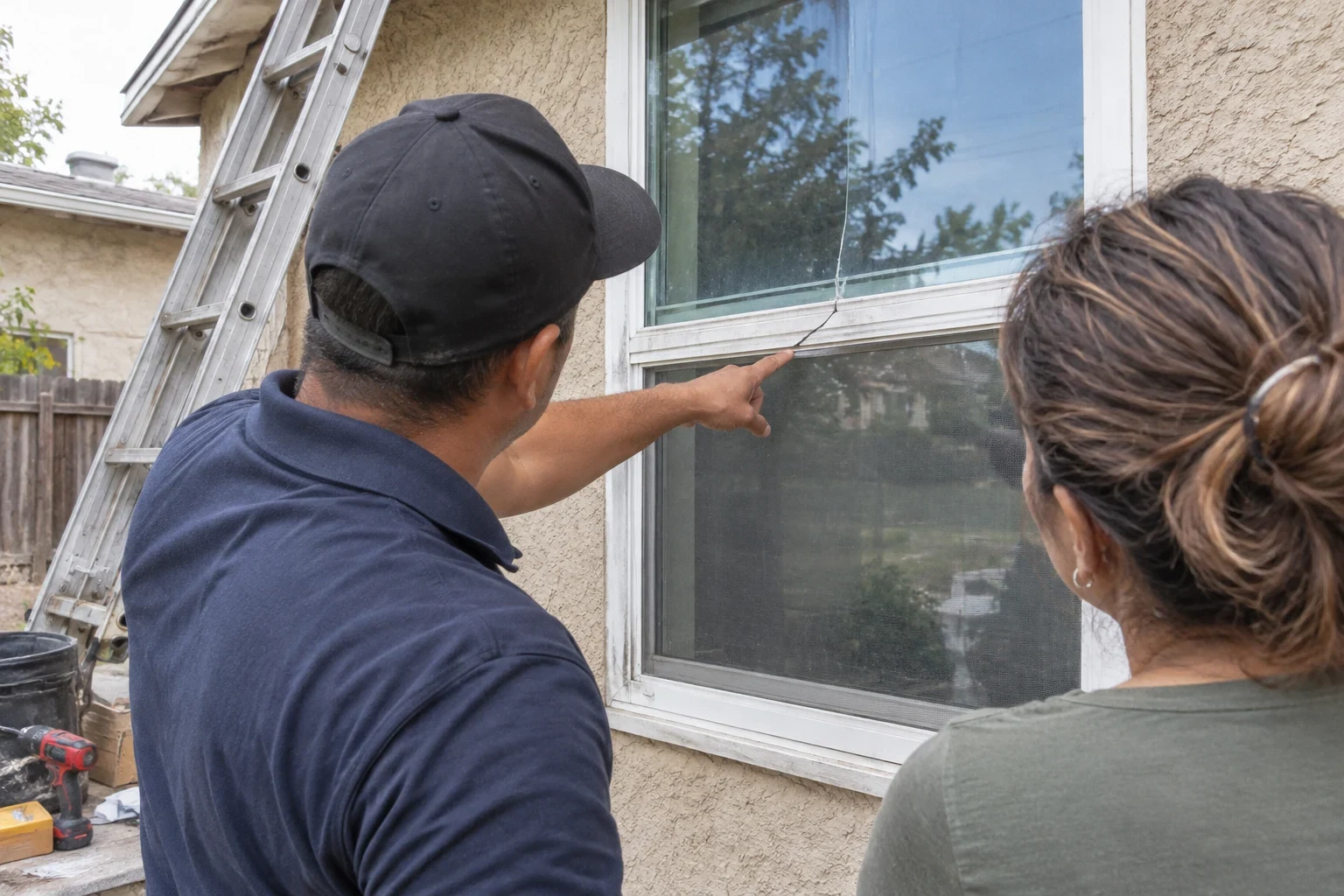
Rotted framing, cracked stucco around the frame or water stains below the sill can mean the opening needs rebuilding. We photograph what we find so you have a record if insurance is involved.
A view you are missing
Sometimes a small window faces the best part of the yard. Enlarging it is often simpler than people expect.
What affects the cost of window installation
A new opening is a small construction project, so the wall usually moves the price more than the window does. Your estimate is written line by line, so you can see what the framing, the window and the patching each cost. If something changes once work starts, we talk it through with you before anything is added.
New versus enlarged opening
Cutting a fresh opening in a solid wall takes more framing than widening one that already exists. Going taller or wider than the current header usually means a new, larger header.
Wall type and finish
Stucco needs careful cutting, lath repair and texture matching. Siding and interior drywall are generally quicker to patch.
Hidden lines and ducts
Sometimes an electrical run, a water line or an air duct sits right where the new window needs to go. Moving it out of the way is extra work, and we point out the likely spots during the estimate.
Window size and style
Larger units, picture windows and specialty shapes cost more than standard sliders or single-hungs. Glass options like low-E coatings also change the price.
Permits and access
Permit fees vary by project, and second-story openings may need ladders or scaffolding.
What to expect from first visit to final walkthrough
- 1
A free look at the wall
We come to your home, measure the wall and chat about the sizes and styles you have in mind. The visit costs nothing, and you are under no obligation or pressure to go ahead. You get the scope and the price in writing before we head out.
- 2
Permits and ordering
New and enlarged openings usually need a building permit. We take care of the application and order windows built to the finished opening size.
- 3
Opening the wall
Floors and furniture get covered first, then we cut the opening and frame it with the correct header. This is the loudest, dustiest part of the job, so we keep it closed off to the work area.
- 4
Setting and sealing the window
The window goes in with flashing, shims and insulation, then we open and close it several times to check that it glides and seals tight.
- 5
Finish, cleanup and inspection
Stucco and interior trim are patched, debris is hauled away, and we meet the inspector at your home if your permit requires a final sign-off.
Window installation questions
What is the difference between window installation and window replacement?
Window replacement puts a new window into an existing opening that stays the same size. Window installation covers new openings or ones that are changing size, which means framing, flashing and wall repair. If your opening is staying put, our Window Replacement or Window Retrofitting pages may fit better.
Do I need a permit to add or enlarge a window?
In most cases, yes. Cutting into a wall or changing a header is structural work, and bedroom windows have egress requirements. The permit application and the inspector's visit are handled by us and included in your project, so you are not left sorting out paperwork.
How long does one new opening take?
A single opening in a stucco wall is often framed, set and sealed in a day, with exterior patching finished soon after. Several openings or a bigger remodel take longer. During the estimate visit we lay out the days you can expect us there, so you can plan around the work.
Can you help if insurance is paying for a damaged opening?
We can document the damage with photos, explain what failed and why, and give you a clear written scope to share with your adjuster. Coverage decisions are up to your insurance company, so we do not promise what they will pay.
Will the new window match my other windows?
We can match frame color, style and grid patterns closely in most cases. If you are planning upgrades soon, we can also talk about Energy Efficient Windows so the whole house matches going forward.
Planning a new window opening?
Tell us what you want to open up, and we will come look at the wall and walk you through it. The visit and written estimate are free.